
Xiaomi equips the Poco X3 Pro with Android 11 and its in-house user interface MIUI 12. The Android security patches were at the level of April 2021 at the time of testing (end of May) and consequently still pretty up to date. Xiaomi offers the Poco X3 Pro in blue, metal bronze, and black. Xiaomi fan, xiaomi scooter, Xiaomi phone, and even Xiaomi watch – Amazfit.
Another hardware improvement is a Z-axis linear motor for vibration feedback. The haptic feedback is definitely better than most smartphones in this price category. However, you need to select the ‘Highest’ setting to feel the stronger haptic feedback. At just $229 for the base 6GB/128GB version this is probably the best budget gaming smartphone with a Snapdragon 8xx processor on board. The Poco X3 NFC launched in September 202 and six months later Xiaomi/Poco has a better version out. The new Poco X3 Pro is basically the same device as the Poco X3 NFC. The main difference is a better Snapdragon 860 processor and a bump up to 128GB UFS3.1 storage.
https://mastercontrol.cl/blog/2023/04/14/the-ultimate-guide-to-infinix-firmware-what-you/
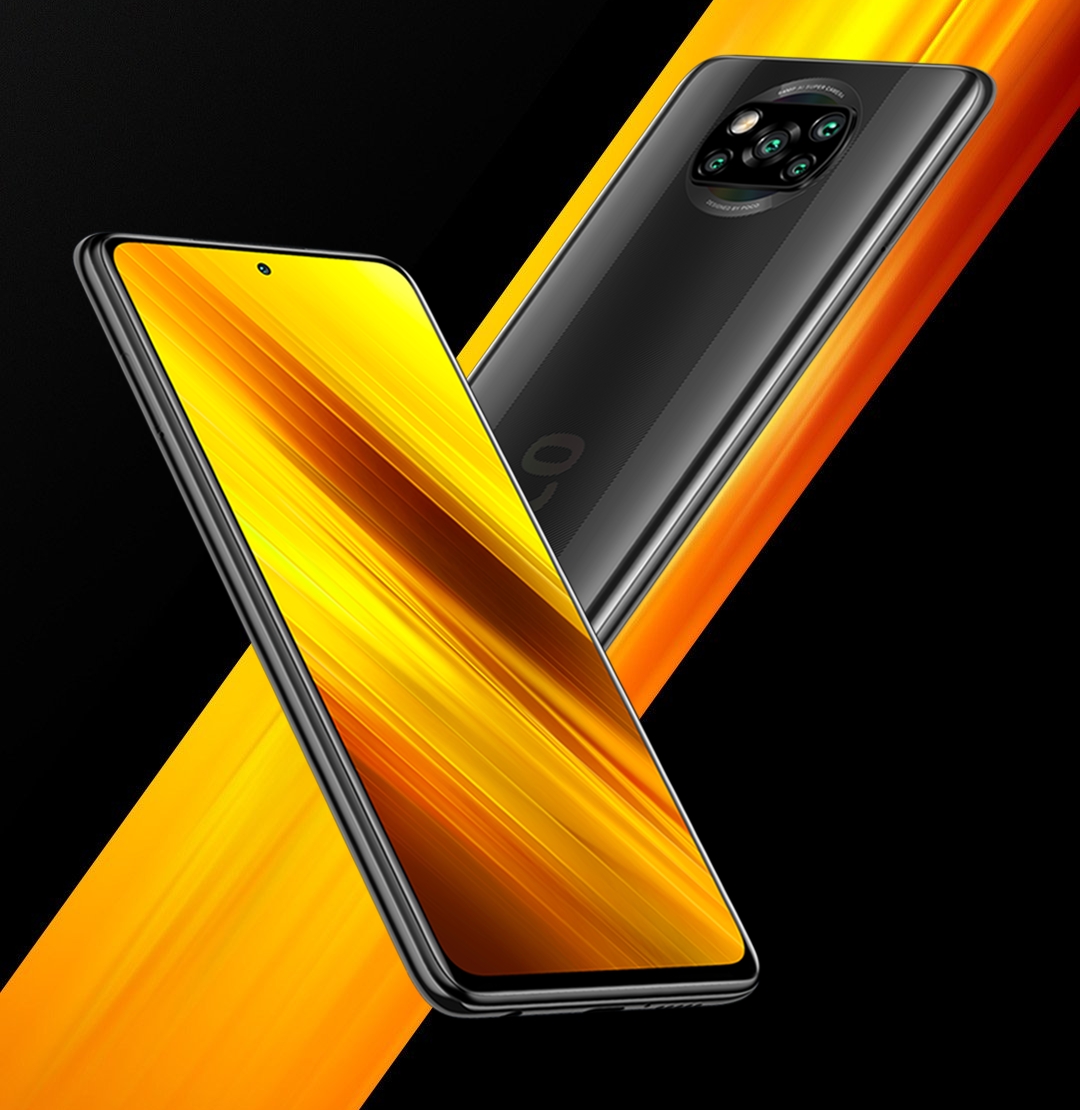
In front, of course, the smartphone is nothing special – a classic. The top indent is slightly thicker than the side ones, the bottom, traditionally, is even thicker. The X3 Pro has a 3.5mm jack, IR blaster, stereo sound, and IP53 dust and water resistance. Xiaomi hasn’t missed out on any of the essentials here, and that makes the phone a great overall package. The phone has Wi-Fi ac connectivity, and like the regular X3, the X3 Pro misses out on NFC in India.
POCO X3 Pro comes with Snapdragon 860, a new and improved chipset range from Qualcomm. It’s the fastest 4G chipset ever made by the company and POCO X3 Pro is the only phone that’s getting this chipset (as of now). That’s not it, the powerful chipset has also got a powerful wingmen of its own. A DDR5 RAM and UFS 3.1 storage for faster storage accessing. Together they took the phone’s performance to a whole new level. Although the phone looks a tad bit bulky, the extra protection from Corning Gorilla Glass 6 is a noteworthy feature that has to be mentioned here. In general, this range of protection is only available for flagship smartphones.
- Overall, the Poco X3 Pro even comes quite close to the Poco F3, which is powered by the Snapdragon 870.
- It’s nowhere near being a world-champion, but the combination of a 48MP primary sensor and an 8MP ultra-wide should put this phone in a decent position.
- This 6.67-inch ‘DotDisplay’ panel is sourced from Samsung, complete with many of the current nice-to-haves in a phone – namely the 120Hz refresh rate to keep the visual experience smoother.
- For context, 2019’s Black Shark 2 – powered by the Snapdragon 855 SoC – barely goes below 92 percent of its max performance in the same test.
- The Poco X3 Pro is the best budget Fortnite phone you can get, at the time of review.
The Poco X3 Pro has an OTG-compatible USB-C port with USB 2.0 speeds. In addition, there’s an IR blaster, a 3.5 mm audio jack, FM radio, a notification LED, as well as Bluetooth 5.0 and NFC, which makes the configuration quite extensive. Since DRM Widevine L1 is also on board, the Xiaomi phone can also reproduce streaming content, such as from Netflix, in HD quality. The display of the Poco X3 Pro is protected by Gorilla Glass 6. As a result, the smartphone is supposed to survive a drop from up to 1.6 meters onto hard, rough surfaces – we didn’t give this a try, though. The back is made of plastic and has a matte finish towards the edges. This is likely due to the more power-efficient Snapdragon 860 chipset used in the Poco X3 Pro compared to the MediaTek Dimensity 810 chipset in the Poco M4 Pro 5G.